
View mode
- Cards
- List
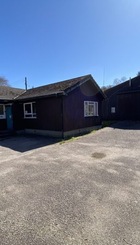
Creating a Cairnbaan Community Hub. Refurbishment of the old forestry buildings
2025-05-30 • No comments • • Regeneration Capital Grant Fund
1. What we want to achieve.
The Cairnbaan Community Trust, (SC052905) wants to refurbish the forestry buildings to provide a community gathering point and flexible workshop and event spaces. We want a community hub that can be used by the community for education such as crafts and Gaelic, health e.g. yoga and other activities, recreation and social gatherings, inside and outside and temporary office space for local entrepreneurs.
Our priority is the smaller of the two buildings which will provide space for community events and workshops, social meeting space, hot desks and a community kitchen. There is external space that can be developed to provide a community garden and outside event space. It is hoped in the future the larger of the two buildings can be developed to provide space for larger workshops and events.
We have divided the work into phases and we are currently seeking funding for phases 1 and 2.
Phase 0: This covers the procurement of the forestry buildings under a community asset transfer funded by the Scottish Land Fund and we have secured initial funding for essential repairs to both buildings to make them safe and weatherproof. The work will start when we take ownership on the 01/08/2025.
Phase 1: Is the refurbishment of the smaller building. This phase will change the internal layout of the building to create flexible spaces. This entails new partitions, doors, lighting and upgrade to the heating. Additional facilities, external and internal, will be needed for disabled and users with special needs. We also aim to fit a community kitchen and social space for coffee mornings. Finally we need to replace windows and install new furnishings and fittings.
Phase 2: Is the landscaping and provision of a community garden and outdoor space.
Phase 3: Is the refurbishment and fitting out of the larger building. In this phase we also plan to look at energy efficiency improvements, e.g. heat pumps and solar panels.
2. Why our project is needed
Currently there is no community centre to provide a focal point or resources for the community. There is a risk of social isolation amongst our older population and there are no facilities for the young people in our village. Community cohesion is being eroded.
We commissioned a feasibility report through Community Enterprise which highlighted the following points. Accessing facilities is difficult without a car, the minimal bus service is a school service with no evening or Sunday services. There are no shops, medical or other services in the village. Despite scoring highly in other domains the area falls into the 10% most deprived areas in Scotland in terms of access to services in relation to the Scottish indices of multiple deprivation. Feedback from local people highlighted that a primary need in the community is an indoor social area and meeting space.
3. The positive changes our project will bring
Our vision is to reduce isolation, improve community life and reflect the cultural, environment and historic heritage of the area. The current priorities for the CCT are.
- Bringing the community together to enable opportunities for social interaction and growth.
- Advancement of arts, heritage, culture and science.
- The provision and organization of recreational facilities to improve the quality of life for the community.
- Improving the environment including education about the environment, culture and history.
- The relief of thos in need either because of age, ill health, disability or financial hardship.
The refurbishment of the buidings will provide a focal point for the community and the resources to bring the community together especially those that feel isolated. It will provide resources for all ages across the community and give everyone opportunities for development and a sense of purpose and indentity.
Through current engagement with the local community we have already identified skills and volunteers that can contribute to the refurbishment which will foster community involvement from the outset
4. How long will our project run
Phase 1 and 2 of the project will start on: 05/01/2026
The project will run for: 15 months
Our Business plan and the Feasibility report are available on request. Unfortunately the file size was too big to attach.
Dunoon Skatepark Redevelopment
2025-05-30 • No comments • • Regeneration Capital Grant Fund
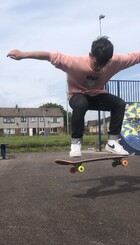
Dunoon Community Development Trust wants to work with children and young people to design and develop a new skatepark facility in Dunoon that will better meet their needs and encourage increased outdoor activity and community connection.
Dunoon Skatepark is sited in Ardenslate, one of two areas in the town within the highest decile of the Scottish Index of Multiple Deprivation. The original skatepark was campaigned for and developed by local young almost 20 years ago and its creation was a major achievement for those involved. It was well used for several years, however, the original steel structures and rough surfacing are no longer fit for purpose and levels of use have seriously declined. Some elements of the facility present a significant hazard, especially for learners, so there are very few younger users or family involvement. Local young people and young adults have been actively involved in campaigning for improvements to the skatepark gathering hundreds of signatures on their petition on Change.org Recent engagement with school pupils has confirmed their interest in improved facilities for skating and wheeling on the site.
By developing this facility to better meet the needs of skateboarders, in-line skaters and BMX bikers of all abilities, we will be able to support and encourage children, young people and young adults to build their skills and enjoy peer-to-peer learning experiences. More time spent outdoors engaging in interesting physical activities will help to address the health and wellbeing challenges faced by young people and young adults and help to reduce social isolation.
This project will run for between 12 and 18 months including consultation, design, planning, permissions and construction.
The skatepark is situated on land owned by Argyll & Bute Council so it will be vital to work in partnership with them. Consultation will also involve local schools, Dunoon Community Council and Live Argyll youth work team.
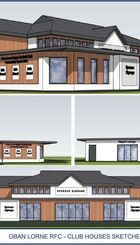
Oban Lorne RFC's Community Sports & Events Hub (Phase 1-2)
2025-05-21 • No comments • • Regeneration Capital Grant Fund
1. What do you want to do?
We aim to develop the Oban Sports & Events Hub—a modern, inclusive facility featuring a multi-sport clubhouse, floodlit pitches, gym, running track, and event spaces. This hub will serve as a central venue for sports, cultural events, and community gatherings, enhancing opportunities for physical activity and social engagement in Oban and the surrounding areas.
2. Why is your project needed?
Oban's existing sports infrastructure is outdated and lacks accessibility, limiting opportunities for participation in sports and community events. The current facilities do not meet the needs of the growing population, particularly youth and individuals with disabilities. By providing modern, accessible facilities, the Oban Sports & Events Hub will address these gaps, promoting inclusivity and community well-being.
3. What positive changes will your project bring about?
The hub will:
-
Enhance Health and Well-being: Provide facilities that encourage physical activity across all age groups.
-
Promote Inclusivity: Ensure accessible design for individuals with disabilities.
-
Support Youth Development: Offer programs and spaces dedicated to youth engagement.
-
Boost Local Economy: Attract events and visitors, supporting local businesses.
-
Foster Community Cohesion: Serve as a gathering place for diverse community groups.
4. How long will your project run for?
The project is planned over multiple phases and is subject to funding and lease agreements. The project has been designed to be flexible but includes:
-
Phase 1 (2025–mid 2026): Construction of the clubhouse, installation of floodlights, and development of the main pitch.
-
Phase 2 (mid–late 2026): Addition of a running track and 4G area.
-
Phase 3–4 (2027): Redevelopment of the bottom pitch and support of potential construction of the skate park.
-
Phases 5–8 (2028–2032): Expansion to include additional facilities and infrastructure improvements.
Partnerships:
We plan to collaborate with:
-
Local Sports Clubs: Oban Lorne RFC, Oban Saints FC, Oban Camanachd, and others.
-
Educational Institutions: Local schools and youth organisations, including the school hostel.
-
Community Groups: Oban Community Skate Park Committee and cultural organisations.
-
Local Businesses & Charities: Atlantis Leisure, Adventure Oban, Happy Wee Health Club.
-
Local Authorities: Argyll and Bute Council for planning and support.
-
National Event Organisers
These partnerships will ensure the hub meets the diverse needs of the community and operates sustainably.
Lighting Up the Shore Station - a sustainable Hub for Tiree
2025-05-27 • No comments • • Regeneration Capital Grant Fund
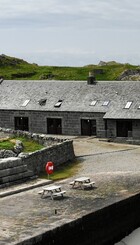
1 We would like to refurbish Alan Stevenson House (ASH) to offer a locally inspired restaurant, bar with 6 ensuite rooms (1 disabled). We would like to upgrade the Harbour with pontoons and seating/viewpoints to take in the wonderful natural environment and encourage people to come by boat to the site in the summer months. Morton Boyd Hall (MBH) is an excellent multi purpose facility that just needs some upgrading and could complment any activities going on at the site. The site at Hynish, with its heritage and special quality of place, has the opportunity to develop its local hospitality and develop something of a Hub for the southern end of the island. Capturing tourism and events spend, alongside island/day visitor spend would provide a revenue stream.
2 The Skerryvore Shore Station was transferred to the Tiree community in January 25. The transition has taken 3 years. There are 3 income streams - Housing, Heritage and Business - that will ensure it is a sustainable community organisation going forward. We have been reviewing the use of our 20+ A listed buildings to ensure they are fit for purpose and revenue earning where possible. ASH was first rebuilt in 1990 as a hostel type accomodation for groups with special needs. it was only used for a few weeks in the summer months and was always a overhead for the charity. MBH had been used to house the exhibition/museum but originally had been rebuilt as a multi purpose hall. The harbour stands strong against the incredible tides and weather. It is a viewpoint for sealife and birds. The community when asked what they would like to see at the site in our survey and subsequent community events were clear that Business should be a priority. 84% said that they wanted a restaurant/cafe, quality accomodation and event space all year round. They also wanted the Harbour preserved. So our community mandate was clear. We have piloted the restaurant and rooms over the past 2 years and now believe that it could definately work if we had a good standard of accomodation to offer and a multi purpose space for events. We have moved the exhbition to another building to free up Morton Boyd Hall so that we have a this multi purpose facility. We will then be able to work with community groups to put on a variety of events and functions during the year. We will also be able to provide permanent employment for locals.
3 We can already see from our pilot that our community is very positive about the fact we have a local family working at ASH and have created year round employment for locals. We have trialled a number of community events over last winter and they proved to be very popular. The Tiree people just love the shore station and feel a strong sense of guardianship. The pilot has also showed us that we could have a reasonable income stream from this. We now have some facts and figures to base our projections on which gives us confidence this is the right way forward. All the buildings at Hynish need to work and complement each other to ensure the "place" is kept in alignment. The pilot has demonstrated that the restaurant/rooms/bar and events do contribute greatly to this. The project would enhance the employment opportunities; keep a family with 3 children living on Tiree as they have jobs; provide the much needed income stream to ensure sustainability; reduce running costs; make the buildings all more energy efficient and in line with our aim to lower the carbon footprint and provice a place for people and business to floutish.
4 The project will start early in 2026 and be completed by November 2026.
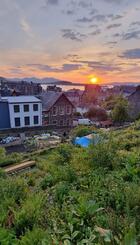
Creating a Community Growing Space in Oban Town Centre
2025-06-02 • No comments • • Regeneration Capital Grant Fund
This project meets RCGF criteria: address vacant / derelict land as well as supporting locally developed, place-based regeneration projects that involve local communities, helping to tackle inequalities and improving the economic, social and physical environment of deprived, disadvantaged and fragile remote communities across Scotland. It is community led, and will result in strong regeneration outcomes.
The Rockfield Garden is leased and run by Oban Communities Trust, a Community Benefit Society run by and for its members and the wider community.
We are transforming a disused, previously cultivated food production area into a vibrant and inclusive community growing space, but need funding to realise our vision. This project is rooted in a growing community movement: over the past year, more than 1,100 volunteer hours have been contributed at The Rockfield Garden. The momentum is clear—and this garden will be a living, growing symbol of community action.
The space, located behind The Rockfield Centre, was previously used to grow fruit, vegetables, and flowers for the former McTavish's Kitchens, but has since lain derelict.
What will your project do? Over the last 12 months a 25+ band of volunteers have spend over 1000 hours on Phase 1, preparing the space for cultivation. We are now seeking funding for Phase 2, which will initiate food production and support both experienced and novice growers, fostering strong community involvement.
- Installing fencing and handrails to ensure safety and accessibility
- Building raised beds and flexible growing spaces for communal and individual use
- Constructing a weatherproof meeting shelter and a secure tool shed.
- Providing tools, gardening equipment, seeds, compost, and plants.
- Developing a community composting system to promote circular growing practices.
- Installing bee hives, chicken coops, and a community orchard
- Offering a varied programme of community engagement and educational growing activities, including informal social gardening drop-ins, volunteer action days, and community education.
Why is your project needed? Oban currently has no community growing provision, and local residents lack accessible opportunities to grow, learn, and contribute. As a rural town we are also heavily reliant on imported food, reducing local food resilience and creating disproportionately high food mile loadings. This project will:
- Provide the community with growing space, tools, and support to grow food locally.
- Encourage healthier lifestyles and increased social connection through shared, hands-on activity
- Respond to the pressing need for increased food resilience in the face of climate change and supply chain vulnerabilities.
- Help diversify the town’s food sources, reducing reliance on imported produce and associated transport emissions.
- Create a learning hub to build knowledge and practical skills in sustainable food growing, composting, and ecological gardening
- Offer a mix of communal and some individually managed plots, providing flexibility to suit different needs and abilities.
- Enhance community cohesion and empowerment through participation, ownership, and shared outcomes.
- Contribute to the Rockfield Centre's mission to reduce its carbon footprint and provide wholesome, healthy, affordable community meals.
What positive changes will your project bring about? The Rockfield Garden will deliver wide-ranging benefits across environmental, social, and educational areas:
- Environmental Impact: With an estimated growing area of 1,400m², there is potential to produce 2,000–3,000kg of fruit and vegetables annually. This local production could reduce food miles and cut an estimated 3–4 tonnes of CO₂ emissions per year.
- Food Resilience: In light of climate change and global food supply threats, local food production is a vital adaptation strategy. Growing food locally in Oban will contribute to community-level food security and resilience.
- Health and Wellbeing: Access to growing spaces and outdoor activities supports mental and physical wellbeing. Gardening fosters regular physical activity, better nutrition, and emotional connection to nature.
- Learning and Empowerment: Hands-on education will equip participants with valuable skills in food production, sustainability, and ecological stewardship.
- Community Cohesion: The project will bring together people of all ages and backgrounds, strengthening social bonds, reducing isolation, and building a sense of place and purpose.
- Sustainability: By incorporating composting and circular practices, such as seed saving, the garden will serve as a practical example of sustainable community living. By transforming this underused land into a thriving garden, we’re not just growing food—we’re growing community, resilience, and shared futures.
How long will your project run for? This is a long-term project that is ticking along in Phase 1, but requires substantial funding to move to Phase 2. Once funded, we anticipate c. 1 year to do the required structural works. We anticipate the total works requiring c. 70k, including staff time, but would gladly accept smaller amounts of funding which would allow us to complete the project in a modular fashion.